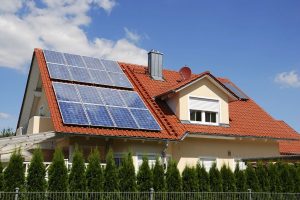
You have a limited window to claim valuable federal tax breaks for home upgrades before they disappear. Most major residential energy tax credits end for projects placed in service after December 31, 2025, which means 2026 marks the sunset for homeowners who wait. If you plan to install solar panels, upgrade insulation, or add a heat pump, timing now directly affects your tax savings.
Congress moved up the expiration of the Energy Efficient Home Improvement Credit and the Residential Clean Energy Credit, accelerating deadlines that once extended into the next decade. That change reshapes how you plan renovations, manage costs, and calculate your potential return.
You need to understand which credits expire, what qualifies, how to meet installation deadlines, and what incentives may remain at the state or utility level. The shift also affects contractors, home values, and broader clean energy policy, making 2026 a pivotal year for energy upgrades.
If you’re unsure how these accelerated deadlines affect your eligibility—or how to properly document your upgrades for tax purposes—My Personal Tax CPA in Arlington, VA can help you plan ahead. Our team works with homeowners to determine which improvements qualify, ensure installation timelines align with IRS requirements, and maximize available credits before they sunset. With personalized guidance from My Personal Tax CPA, you can move forward with energy-efficient upgrades confidently, knowing you’re making the most of every tax-saving opportunity still available before 2026.
Stay Updated with Tax Talk
Like this article? Get more expert tax tips and updates—subscribe to the Tax Talk Newsletter!
Overview of the 2026 Home Energy Credit Sunset
The 2026 Home Energy Credit Sunset ends or accelerates several federal incentives that homeowners have used to offset the cost of solar panels, heat pumps, insulation, and other upgrades. Changes tied to the One Big Beautiful Bill Act (OBBBA) compress timelines that many taxpayers expected to run longer under the Inflation Reduction Act.
Accelerated Expiration Timeline
You face firm deadlines for most residential credits.
The Residential Clean Energy Credit (Section 25D) and the Energy Efficient Home Improvement Credit (Section 25C) end for expenditures made after December 31, 2025. That means projects must be completed and paid for before 2026 to qualify.
Builders also confront mid‑year cutoffs. The New Energy Efficient Home Credit (Section 45L) expires for homes acquired after June 30, 2026. If you plan to purchase a qualifying new construction home, timing now directly affects eligibility.
These earlier sunsets stem from legislative changes under the OBBB, which moved up termination dates that previously extended further into the decade.
Background of Federal Energy Tax Credits
You originally benefited from expanded incentives under the Inflation Reduction Act (IRA).
The IRA restored the 30% Residential Clean Energy Credit and expanded the annual limits and eligible items under Section 25C. It also extended timelines, allowing homeowners to plan multi‑year upgrade strategies.
The One Big Beautiful Bill later modified these provisions. The IRS confirmed changes and clarified updated termination dates in guidance addressing the accelerated end of several energy provisions under the One Big Beautiful Bill Act.
You now operate under revised deadlines rather than the longer phase‑down schedule many expected after the IRA passed.
Key Differences from Previous Legislation
The most important shift is timing.
Under the IRA, you could expect gradual phase‑downs or longer availability periods for credits like 25D. Under OBBBA, Congress replaced those extended timelines with hard stop dates, primarily December 31, 2025, for most homeowner upgrades.
You also see fewer transition rules. Instead of multi‑year step‑downs, the 2026 Home Energy Credit Sunset creates sharper cutoffs tied to when property is placed in service or when a home is acquired.
For planning purposes, this means you must complete installations and finalize payments sooner. Delays into 2026 can eliminate eligibility entirely, even if you signed a contract earlier.
Expiration of Major Residential Energy Credits
Federal energy credits for homeowners end on a fixed schedule in 2026. If you plan solar, insulation, windows, or HVAC upgrades, you must meet strict placement-in-service and expenditure deadlines to qualify under Section 25D or Section 25C.
End of the Residential Clean Energy Credit (Section 25D)
The Residential Clean Energy Credit (Section 25D), often called the 25D tax credit, ends for property placed in service after December 31, 2025. Recent coverage confirms that the credit sunsets at the end of 2025 under legislative changes, leaving 2026 without this federal incentive for new installations (These Big Home Energy Tax Credits End in 2026).
You can claim Section 25D for qualified residential clean energy systems installed on your primary or secondary U.S. residence. Eligible property includes:
- Solar electric panels
- Solar water heaters
- Geothermal heat pumps
- Small wind turbines
- Battery storage systems (meeting capacity requirements)
The credit equals a percentage of eligible costs, including equipment and labor. The IRS requires that the system be placed in service before the deadline, not merely purchased or under contract. If installation finishes in 2026, you generally cannot claim the 25D tax credit.
Termination of the Energy Efficient Home Improvement Credit (Section 25C)
The Energy Efficient Home Improvement Credit (Section 25C) also expires for expenditures after December 31, 2025. The IRS has issued guidance on the accelerated termination dates for several energy provisions, including Section 25C and Section 25D (Treasury, IRS issue FAQs on energy provisions).
Section 25C covers efficiency upgrades to your primary residence. Unlike 25D, it focuses on building envelope and equipment improvements such as:
- Energy Star certified windows and doors
- Insulation and air sealing materials
- High-efficiency furnaces, boilers, and central air conditioners
- Qualified heat pumps and heat pump water heaters
The credit is subject to annual dollar limits and category caps. You must incur the expense and complete installation before the end of 2025 to qualify. Improvements made in 2026 do not generate a federal 25C tax credit.
Eligible Property and Deadline Definitions
The Internal Revenue Service applies specific definitions to determine eligibility. For both Section 25D and Section 25C, you must install qualifying property in a dwelling unit located in the United States and used as a residence.
“Placed in service” generally means the system is installed and operational. Signing a contract or making a deposit in 2025 does not secure the credit if installation finishes in 2026.
For Section 25C, the expense must occur during the tax year, and the product must meet required efficiency standards, often verified through Energy Star certification or manufacturer documentation. For Section 25D, eligible costs include equipment and labor for onsite preparation, assembly, and original installation.
You should keep manufacturer certifications, invoices, and proof of installation dates. The IRS may request documentation if it reviews your return claiming these energy credits.
Claiming Credits Before the Sunset: Deadlines and Requirements
You must meet strict timing and documentation rules to secure 2026 home energy tax credits before they expire. The IRS focuses on when property is placed in service, what expenses qualify, and whether you can prove eligibility.
Placed in Service Rules
For most homeowner credits, the key date is when the property is placed in service, not when you sign a contract or make a payment.
Under recent IRS guidance on early terminations of energy credits, the Energy Efficient Home Improvement Credit (Section 25C) and the Residential Clean Energy Credit (Section 25D) end for property placed in service after December 31, 2025. If installation finishes in 2026, you generally lose the credit, even if you paid in full during 2025.
The IRS also clarified that construction expenditures count when your original use begins. If your solar system or geothermal unit becomes operational in January 2026, the IRS treats that as placed in service in 2026.
You must ensure equipment is fully installed and operational by the deadline. Delays in inspections, utility approvals, or final connections can push you past the cutoff.
For builders, the Section 45L New Energy Efficient Home Credit expires for homes acquired after June 30, 2026. Timing of sale and transfer of title directly affects eligibility.
Qualified Expenses and Dollar Limits
You can only claim credits for specific qualified expenses, and each credit carries defined limits.
For Section 25C, you may claim 30% of eligible costs, subject to annual caps. The IRS sets:
- $1,200 annual limit for most energy-efficient improvements
- $2,000 annual limit for qualified heat pumps, biomass stoves, and certain water heaters
- Specific sub-limits for exterior doors, windows, and home energy audits
A qualifying home energy audit must meet IRS standards and typically provide a written report identifying efficiency improvements. Many products must meet ENERGY STAR or similar federal standards in effect at the time of installation.
For the Residential Clean Energy Credit, you can generally claim 30% of the cost of solar panels, battery storage, geothermal systems, and other qualifying renewable systems, with no annual dollar cap. However, installations must be completed before the sunset to qualify.
Credits are nonrefundable in most cases. You cannot receive more than your tax liability, though some credits allow carryforwards.
Documentation and IRS Guidance
You must keep detailed records to defend your claim if the IRS reviews your return.
Retain:
- Itemized invoices showing product and labor costs
- Manufacturer certifications stating eligibility
- ENERGY STAR documentation, if applicable
- Written reports for any energy audits
- Proof of payment and installation dates
The Internal Revenue Service requires you to file the appropriate tax forms, such as Form 5695 for residential energy credits. You do not submit receipts with your return, but you must keep them in your records.
IRS FAQs provide helpful explanations, but they do not carry the same legal authority as published guidance. Review the official IRS materials on energy efficient home improvement credit timing rules to confirm eligibility.
Accurate dates, complete documentation, and compliance with IRS definitions determine whether you successfully claim these tax credits before the sunset.
Need professional assistance with your personal taxes?
Our team of experienced CPAs is here to help! Request a quote today and let us handle your tax needs with expertise and personalized solutions.
Impacts on Homeowners, Contractors, and the Housing Market
The end of federal home energy tax credits on December 31, 2025 changes how you plan upgrades, price projects, and evaluate resale value. It also shifts market activity toward state energy incentives, utility rebates, and new financing structures.
Effects on Home Improvement Plans
You no longer receive the 30% Residential Clean Energy Credit (Section 25D) or the Energy Efficient Home Improvement Credit (Section 25C) for systems placed in service after December 31, 2025. That includes solar panels, battery storage, and qualifying heat pumps that previously reduced your federal tax bill.
Without those credits, your upfront cost increases and your payback period extends. A project that once offset thousands of dollars in taxes now relies more heavily on local rebates, performance savings, and financing terms.
You should start with a home energy audit. An audit helps you rank upgrades by return on investment and prioritize insulation, air sealing, or HVAC improvements that cut usage immediately.
Focus on:
- State and utility energy incentives that remain funded
- Manufacturer rebates and financing promotions
- Long-term operating savings versus first-year tax benefits
You must also confirm installation timelines. Eligibility depended on the placed-in-service date, not the contract date, and that deadline has passed.
Changes for Contractors and Installers
Contractors now compete in a market without federal homeowner tax credits. You will see more emphasis on leases, power purchase agreements, and commercial tax credit structures where Section 48E still applies under strict deadlines.
You must clearly explain:
- Updated project economics
- New payback projections
- Available state and utility incentives
Expect more detailed cost breakdowns and stronger demand for financing options. Clients will scrutinize energy savings estimates and require transparent modeling.
Supply chains may also adjust. Compliance rules tied to commercial credits, including domestic content requirements, influence equipment sourcing and pricing.
Industry groups continue to track how these changes affect construction activity. In its 2026 housing outlook, NAHB notes that affordability pressures and economic uncertainty remain key headwinds. Higher upgrade costs add another affordability layer for your clients.
Real Estate and Resale Considerations
You should evaluate upgrades based on durability and documented savings rather than expired tax benefits. Buyers in 2026 focus on operating costs, especially with mortgage rates unlikely to drop sharply below 6%, according to Zillow’s 2026 housing market predictions.
Energy-efficient homes can still stand out. Slower price growth and increased inventory in some regions create more negotiation room, as discussed in this 2026 housing market outlook.
You strengthen resale value when you keep:
- Utility bills showing reduced consumption
- Warranty documentation
- Audit reports and performance data
Buyers respond to measurable savings. Clear records shorten negotiations and support your asking price even without federal home energy tax credits.
Transition to State and Local Incentives After 2026
After the federal 25D and 25C credits expire, you must rely on state, local, and utility programs to lower project costs. These energy rebates and energy incentives vary widely by location, funding cycle, and equipment type.
Overview of State and Utility Rebate Programs
State and utility energy rebate programs now drive most homeowner savings. Many electric and gas utilities offer fixed rebates for heat pumps, heat pump water heaters, high‑efficiency HVAC systems, insulation, and smart thermostats.
Rebates often range from a few hundred dollars for controls to several thousand dollars for whole‑home electrification. Some programs pay per measure, while others reward modeled energy savings or verified load reduction.
Funding rules matter. Many programs operate on annual budgets and close when funds run out, so timing affects your eligibility.
States with established clean energy infrastructure, such as New York, California, and Massachusetts, continue to run large, structured programs alongside utility incentives. As federal credits end, these state-administered energy incentives become the primary path to upfront savings.
You should also confirm equipment eligibility lists. Many programs require products that meet specific efficiency tiers, such as CEE standards, or that appear on approved product databases.
Database of State Incentives for Renewables & Efficiency (DSIRE)
You can track available energy incentives through the Database of State Incentives for Renewables & Efficiency (DSIRE). DSIRE compiles state, local, utility, and some federal programs in one searchable database.
You can filter by:
- State
- Technology (solar, HVAC, storage, insulation)
- Incentive type (rebate, tax credit, grant, loan)
DSIRE lists program summaries, eligibility rules, and links to administering agencies. It does not guarantee funding availability, so you should always confirm details directly with the utility or state agency.
Use DSIRE to compare options before you sign a contract. Incentive amounts, application steps, and pre‑approval requirements can change without notice.
Stacking Rebates with Remaining Opportunities
Even without federal residential tax credits, you can still stack multiple incentives in many cases. Utilities may allow you to combine equipment rebates with state grants or low‑interest financing programs.
Common stacking strategies include:
- Utility HVAC rebate + state electrification grant
- Heat pump rebate + panel upgrade incentive
- Solar rebate (if available) + performance‑based incentives
You must follow program rules carefully. Some energy rebate programs reduce their payout if another incentive covers the same cost.
Leased or third‑party‑owned solar systems may still qualify for federal commercial credits under Section 48E, which can influence pricing even if you do not claim the credit directly. Review contract terms closely to confirm how providers account for those energy incentives in your proposal.
What This Means for Arlington, VA Homeowners
For residents of Arlington, VA, the sunset of federal home energy credits means local and state-level incentives will become even more important when planning upgrades after 2025. Virginia offers a mix of utility rebates and energy efficiency programs—often through providers like Dominion Energy—that can help offset the cost of installing high-efficiency HVAC systems, heat pumps, smart thermostats, insulation, and other qualifying improvements.
Arlington homeowners may also be eligible for regional programs tied to whole-home energy audits or electrification initiatives that reward verified efficiency gains. However, these programs typically come with strict eligibility requirements, approved equipment lists, and limited annual funding. In many cases, incentives are distributed on a first-come, first-served basis, which makes early planning essential.
Because Virginia does not always mirror federal tax policy, it’s especially important to evaluate how local incentives interact with your overall tax situation. Working with My Personal Tax CPA can help ensure you understand which upgrades qualify, how rebates affect your potential deductions, and how to structure your projects in a way that maximizes savings at both the state and federal level before key deadlines pass.
Future of Clean Energy and Electrification Initiatives
Federal tax credits for homeowners end after December 31, 2025, but other programs continue to shape your upgrade options. State-run rebates, whole-home electrification strategies, and high-efficiency heat pump installations will drive most financial incentives in 2026 and beyond.
HEEHRA and HOMES Rebate Programs
With the expiration of the Residential Clean Energy Credit (25D) and Energy Efficient Home Improvement Credit (25C), which end for property placed in service after December 31, 2025, state-administered rebate programs take on a larger role.
The Home Electrification and Appliance Rebates (HEEHRA) program focuses on income-qualified households. If you meet income thresholds, you may receive point-of-sale rebates for heat pumps, heat pump water heaters, electrical panel upgrades, and wiring improvements. In many states, rebates apply immediately at purchase rather than at tax time.
The HOMES (Home Owner Managing Energy Savings) rebate program rewards measured or modeled whole-home energy savings. You qualify based on projected energy reductions, not just equipment type. Larger savings percentages can unlock larger rebates, which makes comprehensive retrofits more attractive than single upgrades.
Availability and funding timelines vary by state. You must verify that your state energy office has launched its program and confirm contractor eligibility before signing a contract.
Whole-Home Electrification Opportunities
Whole-home electrification replaces fossil-fuel systems with electric alternatives powered by the grid. You typically combine a heat pump for space heating and cooling, a heat pump water heater, induction cooking, and upgraded electrical infrastructure.
This approach aligns well with HOMES rebate structures because deeper energy savings often require coordinated upgrades. Instead of replacing one system at a time, you plan improvements together to maximize modeled performance gains.
Key components often include:
- Cold-climate heat pump installation
- Electrical panel upgrades to 200 amps or higher
- Air sealing and insulation improvements
- Smart thermostats and load management devices
You reduce on-site combustion and improve efficiency. You also position your home to integrate rooftop solar or battery storage later, even though direct residential solar tax credits have expired.
Heat Pump Installation and Energy Efficient Technologies
Heat pump installation remains central to electrification. Modern air-source and cold-climate models deliver both heating and cooling with high efficiency compared to gas furnaces and standard air conditioners.
Although the 30% federal heat pump credit under Section 25C ends after 2025, state energy rebates and utility incentives may still offset costs. Many programs require that equipment meet specific efficiency tiers, often aligned with Consortium for Energy Efficiency standards.
You should confirm:
- Minimum SEER2, EER2, and HSPF2 ratings
- Approved product lists
- Licensed contractor requirements
- Documentation needed for energy rebates
Pairing a heat pump with improved insulation and air sealing increases system performance and may qualify you for higher HOMES rebates. Careful planning and verified energy modeling can significantly influence the incentives you receive.
Impact on Related Federal Credits and Broader Clean Energy Policy
The 2026 sunset does not stop at rooftop solar and heat pumps. It also reshapes electric vehicle incentives, builder tax credits, and key commercial clean energy deductions that affect your buying, building, and investment decisions.
Changes to Clean Vehicle Credit
The $7,500 clean vehicle credit for new electric vehicles has ended under the One Big Beautiful Bill Act, which also accelerated the expiration of major home energy credits, as reported by CNBC in its coverage of home energy tax credits ending in 2026.
If you planned to combine solar panels with an EV purchase to maximize federal incentives in the same tax year, that strategy no longer works at the federal level. You now rely more heavily on state rebates, utility programs, or manufacturer discounts.
Previously, the credit applied at the point of sale and reduced your upfront cost. Without it, your total ownership cost increases unless fuel savings and local incentives offset the gap.
You should also review battery sourcing and assembly rules that had limited eligibility even before the repeal. Those requirements no longer matter for federal credits, but they may still influence state-level programs.
End of the New Energy Efficient Home Credit (Section 45L)
Section 45L, also known as the New Energy Efficient Home Credit, provided builders with a per-unit tax credit for constructing energy-efficient new homes. Builders could claim up to $5,000 per eligible home depending on certification standards.
Recent federal policy changes accelerated the phaseout of several IRA-expanded incentives, including homeowner-facing credits. Section 45L now faces similar tightening.
If you buy a newly built home, the expiration reduces the financial incentive for builders to exceed minimum energy code requirements. Some builders may still construct high-performance homes, but fewer projects will pursue advanced certifications without a federal offset.
You should ask whether your builder priced the home assuming eligibility for Section 45L. In competitive markets, the loss of the credit may affect upgrade packages, insulation levels, or HVAC efficiency choices.
Commercial and Investment Credits (Sections 48E & 179D)
For businesses and property owners, Section 48E replaces the traditional investment tax credit with a technology-neutral clean electricity credit. It supports qualifying generation projects, including solar and storage, based on emissions standards rather than specific technologies.
Section 179D allows building owners and designers of government buildings to claim deductions for energy-efficient commercial property improvements. The deduction can significantly reduce taxable income when you upgrade lighting, HVAC systems, or building envelopes.
While residential credits sunset in 2026, commercial provisions such as 48E and 179D remain central to federal clean energy strategy. However, legislative changes have introduced tighter compliance rules and earlier phaseouts for some credits.
If you operate commercial property, you should confirm prevailing wage, apprenticeship, and certification requirements. Missing those standards can reduce the value of your credit or deduction and materially change your project economics.
Stay Updated with Tax Talk
Like this article? Get more expert tax tips and updates—subscribe to the Tax Talk Newsletter!
Frequently Asked Questions
Several federal home energy credits end in 2025, including incentives for HVAC systems, solar panels, and energy‑efficient upgrades. You need to understand which credits still apply in 2026, how eligibility works, and what options remain at the state level.
What residential energy credits are set to expire at the end of 2025?
The Energy Efficient Home Improvement Credit under Section 25C will not apply to property placed in service after December 31, 2025. The Residential Clean Energy Credit under Section 25D also ends for expenditures made after December 31, 2025.
The IRS confirmed these accelerated termination dates in its FAQs for modification of sections 25C, 25D, 25E, 30C, 30D, 45L, 45W and 179D. If you install qualifying equipment after December 31, 2025, you cannot claim these federal residential credits.
Which HVAC systems are eligible for the energy tax credit in the year 2026?
You cannot claim the federal Section 25C credit for HVAC systems placed in service during 2026. The credit ends for property placed in service after December 31, 2025.
Qualifying systems before the deadline included certain high‑efficiency heat pumps, central air conditioners, furnaces, and boilers that met federal efficiency standards. In 2026, you must look to state programs, utility rebates, or local incentives because the federal credit no longer applies.
How can taxpayers calculate their 2026 home energy credit?
For most homeowners, the 2026 federal home energy credit will be zero if the property was placed in service after December 31, 2025. The law treats installation completion dates as controlling for eligibility under Section 25D.
If you completed installation in 2025, you calculate the credit based on the applicable percentage and annual limits in effect for that year. If installation finished in 2026, you cannot include those costs on your federal return for a residential energy credit.
Are there any renewable energy credits available for California residents beyond 2025?
California residents cannot rely on the federal Residential Clean Energy Credit for systems installed after December 31, 2025. The federal incentive no longer applies to post‑2025 installations.
You may still qualify for state, utility, or local incentives. Programs vary by utility territory and funding availability, so you need to confirm current rebate offerings directly with your utility provider or the California Energy Commission.
What is the maximum energy-efficient home improvement credit available in 2026?
For property placed in service in 2026, the maximum federal Energy Efficient Home Improvement Credit is $0. The Section 25C credit does not apply after December 31, 2025.
For reference, before expiration, the credit allowed up to specific annual limits depending on the type of improvement. Those limits no longer apply to improvements installed in 2026.
What types of appliances will be eligible for the energy tax credit in 2026?
No residential appliances qualify for the federal Section 25C credit if placed in service during 2026. This includes heat pump water heaters, qualifying heat pumps, and certain high‑efficiency HVAC equipment installed after the deadline.
If you purchase and install qualifying equipment in 2025 and place it in service before year‑end, you may still claim the credit on your 2025 return. In 2026, you must rely on non‑federal incentives if available.